©


ADDRESS
via di Campo marzio, 4
34123 Trieste, ITALY
tel. +39 040 2450325
info@erikaskabar.com
KEY PROJECT
STRUCTURING COASTAL EXPERIENCE THROUGH LANDSCAPE
HOW CAN LANDSCAPE STRUCTURE COASTAL SPACE THROUGH PERCEPTION AND CONTINUITY?
THE SEA IN THE PINES
LANDSCAPE DESIGN FOR THE DUINO MARINA
“He stopped the car in the pines and could smell the sea before he could see it.”
— Ernest Hemingway, Across the River and Into the Trees (1950)
Location: Duino, Trieste - Italy
Client: Autonomus Region Friuli Venezia
Period: 2025- 2022
Scope: Landscape General project,across Schematic Design, Developed Design and Construction Documentation
Consulents: D. Zadnik - Structural Engineering; A. Morich, E. Deseira - MEP; A. Marinò - Authority interface
Project status: On site
Context
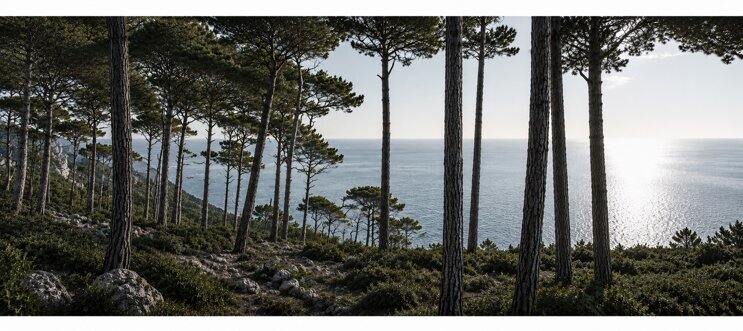
The Duino shoreline is a thin passage between land and sea, where the landscape is revealed through movement rather than viewpoints. Passing through the pine grove, the smell of resin, salt in the air and wind in the needles anticipate the sea before it appears.
This sequence defines the site’s identity. The pine trees remain in place, preserving shade, microclimate, and continuity between land and water.
Challenge
What began as a road safety measure became a project focused on protecting the pine trees and restoring coherence to a highly artificial coastal environment.
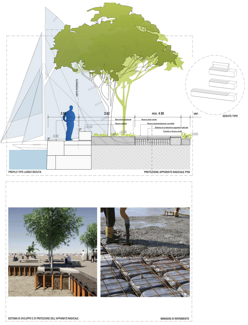
Key issues included impermeable soils, degraded paving, fragmented public space, and pine trees rooted in compacted, poorly drained soil, with surface roots deforming the pavement.
Landscape strategy
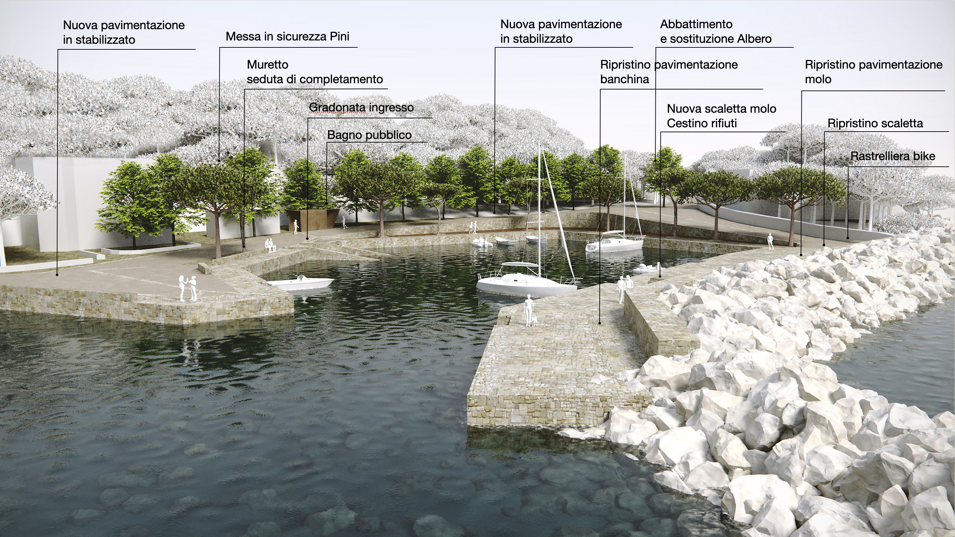
The project uses the pine trees as the guiding principle for public-space reorganisation.
Continuous paving and clear circulation paths redefine the marina while remaining aligned with the cliffs and the slope toward the waterfront.
An aerated soil system beneath the new surfaces creates uncompacted volumes to improve growing conditions for the existing trees. Where possible, the paving rests on small pillar structures; elsewhere, dedicated aeration compartments are introduced.
The ground level is raised by approximately 20 cm, allowing the new system to be installed without disturbing existing roots. This adjustment requires careful reworking of quays, retaining walls, and built edges, so that new levels are absorbed through precise detailing rather than visible breaks.
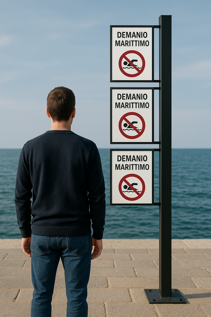
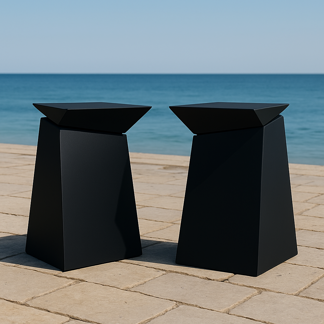
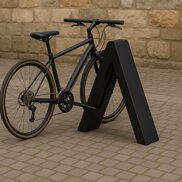
Furnishings remain discreet and functional, supporting use without competing with the landscape.
Role and responsibility
Landscape design, including:
- protection of existing pine trees
- redesign of public space, borders and paving
- integration of soil aeration and root-protection systems
- coordination between safety, environmental performance and public use.
Value for the project
The project restores functional and perceptual coherence by recognising the pine trees as both an environmental asset and a structural element of place identity.
Rather than creating viewpoints or iconic gestures, the design strengthens the experience of approach and passage, allowing the sea to be perceived through sound, air, and movement. Landscape operates as a quiet infrastructural system supporting long-term environmental quality and everyday use.